
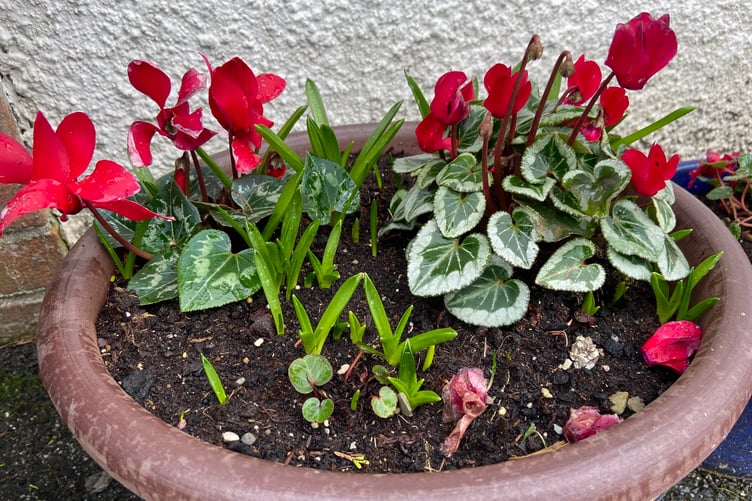
JANUARY can be full of hope and optimism about the year ahead in the garden. Nights are starting to draw out and on sunny days it can even feel like spring. However, we do sometimes have some of our coldest weather in January and February and so it is best to still be cautious about what it is realistic to be doing.
One of my top jobs is dismantling compost heaps and spreading reasonable material onto the flower and vegetable beds. You want to aim to spread a good layer of a few inches if you possibly can. This will not only feed the soil and your plants but help improve drainage.
If you have a lot of annual weeds that you don’t want these can first be removed by hand or alternatively you can lay your compost on top of cardboard and this will smother the weeds. You can then sow or plant straight into this, saving a lot of time and effort.
Check what seeds you have and if there are others you are likely to need. It is easy to get carried away here and buy too many seeds. Think carefully about what you have space to plant and the time and space to sow.




At this time of year, I am very cautious about what I sow, often waiting for lighter and warmer conditions. If you have a greenhouse and can provide some warmth and extra light, then think about sowing chilli seeds. To germinate, these need consistent warmth of about 20 degrees centigrade, plenty of light and a long season.
I usually have most success sowing my vegetable seeds indoors rather than direct sowing them in the garden, certainly whilst it remains cold outside. I will grow on my young vegetable seedlings aiming to establish small but strong plants before planting them out in the spring.
It does pay to have a plan for sowing both vegetable and flower seeds taking heed of their requirements and when you can realistically start sowing. Gardening books can provide really helpful information and there are reputable websites of people like Charles Dowding of ‘No Dig’ fame which advise when to plant and exactly what to sow. These I find really helpful.
Do keep on top of your weeds because, if the weather is mild, they will be growing at pace.
It is a really good time to be looking critically at the garden. Take stock and think about what may need moving or plants that can be divided and spread.
During the winter, I try to avoid cutting back stems to help support insects and wildlife. If these have become soggy and detached, they are best removed. Don’t be too tidy and remember that debris around plants will protect them if there are low temperatures.
Above all, start trying to enjoy your garden and spend more time in it. A little gardening frequently is better than letting jobs build up. Enjoy snowdrops, hellebores, primroses and other plants that will be flowering at this time of the year.
Comments
We've recently changed our login process. If you have an account for commenting, you will need to re-register on the login window.
This article has no comments yet. Be the first to leave a comment.