
I HAD two Year 12 work experience students at the observatory in June – one from Poltair School in St Austell, the other from Camborne Science and International Academy.
They tackled a range of projects during their week with me, including a challenge to get working a bubble sextant last used by an RAF bomber crew during the Second World War. It now works very well indeed – success! This should the students in very good stead going forward.
This month is reasonably quiet as it is midsummer. The long-awaited Nova or Blaze Star is now overdue as I type. Still, we have waited 80 years - what's a few more days?
The phases of the moon are as follows: Last Quarter, July 7; New Moon, July 14; First Quarter, July 21; Full Moon, July 29.
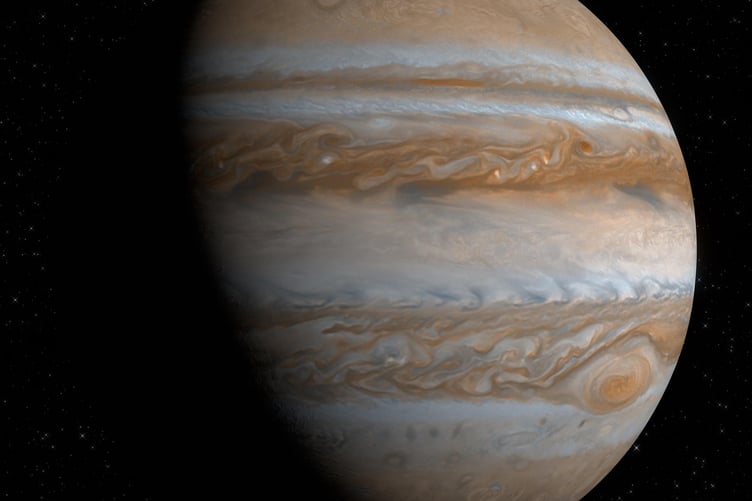
As for the planets, Mercury is in Gemini and is visible just after sunset. Venus is in Leo all month, Jupiter is in Cancer and Mars is in Taurus for good pre-dawn viewing.
Constellations on view include Corona Borealis - keep a close eye on that one, just in case the Nova decides to go woof! In view of the shortage of nightfall, it is good to concentrate on the northern constellations: Ursa Major and Minor, Cassiopeia (the straggly W). Then we get Andromeda; see if you can spot the Andromeda galaxy, which is at its best before the Moon gets too big.
Noctilucent clouds are still about - look north after midnight.
Next month sees the return of the eclipse season. On August 12, we have a big partial eclipse of the sun. I am giving the same forecast as I did for the 1999 total ecipse: cloud cover.
Brian Sheen runs the Roseland Observatory which is based in Truro High School for Girls. Find it online at www.roselandobservatory.co.uk and on Facebook @roselandobservatory.
Comments
This article has no comments yet. Be the first to leave a comment.