
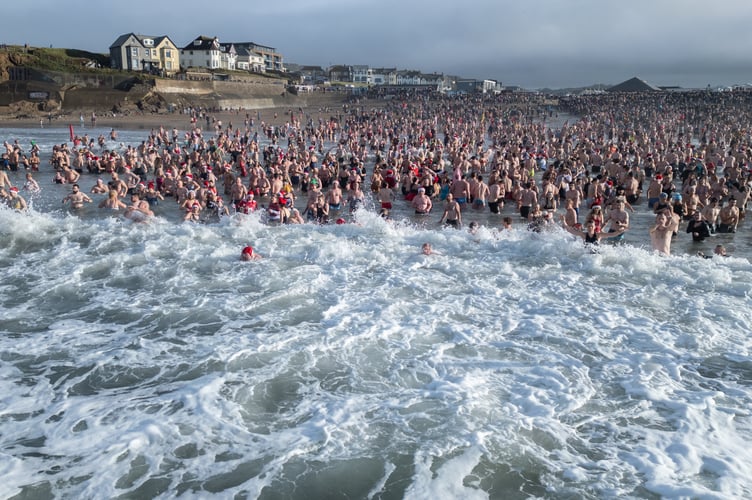
WITH icy festive dips surging in popularity across the UK, the RNLI has issued a clear warning: cold water can be deadly if swimmers are not properly prepared.
From Christmas morning plunges to New Year’s Day challenges, thousands of people are heading into the sea as part of seasonal celebrations. But the RNLI says many underestimate the dangers, with sea temperatures currently hovering between just six and 10 degrees.
RNLI water safety delivery manager Emmie Seward-Adams said cold water shock is the biggest risk, particularly for those new to open-water swimming.
“Cold water dips have grown in popularity and for some have become an annual tradition,” she said. “But with water temperatures this low, cold water shock is a serious concern, especially for anyone who isn’t acclimatised.”




Cold water shock can cause an involuntary gasp, rapid breathing and loss of muscle control within seconds of entering the water. Anything below 15 degrees is classed as cold water, meaning winter swimmers are exposed to potentially dangerous conditions even on calm days.
Ms Seward-Adams urged anyone considering a festive dip to take simple but vital precautions. “Never swim alone,” she said. “Go with others, ideally as part of an organised group, so you can look out for each other. Think carefully about the depth and stay within your limits.”
She also stressed the importance of knowing your own health. “If it’s your first time swimming in open water, speak to your GP first, particularly if you have any cardiac or underlying health conditions,” she said.
Having the right equipment can also make the difference between a safe swim and an emergency. The RNLI advises wearing a bright-coloured swim cap to stay visible, using a tow float for extra buoyancy, and considering a wetsuit to help retain body heat. Swimmers should always carry a mobile phone in a waterproof pouch and a whistle to attract attention if needed.
“Before swimming, take a minute to let your body adjust,” Ms Seward-Adams added. “The initial effects of cold water usually pass within a minute, so don’t try to swim straight away.”
The charity’s message is simple: if conditions don’t feel right, don’t go in. “If you are in any doubt, stay out of the water,” she said. “There is always another day.”
RNLI volunteers will remain on call 24 hours a day throughout the festive period, ready to respond to emergencies around the coast. The charity also reminds the public that anyone in trouble in or on the water should call 999 or 112 and ask for the Coastguard immediately.
“Even the well-prepared can find themselves in difficulty,” Ms Seward-Adams said. “But having the right knowledge, equipment and support around you really can save lives.”
The RNLI is urging all winter swimmers to plan ahead, check weather and tide conditions, acclimatise slowly, stay visible and know when to call it off. As festive traditions grow, so too does the need to respect the power of cold water.
Comments
This article has no comments yet. Be the first to leave a comment.