
FARMERS in Cornwall are being urged to report every case of livestock worrying, theft and rural crime as police warn that too many incidents are going unrecorded across the county.
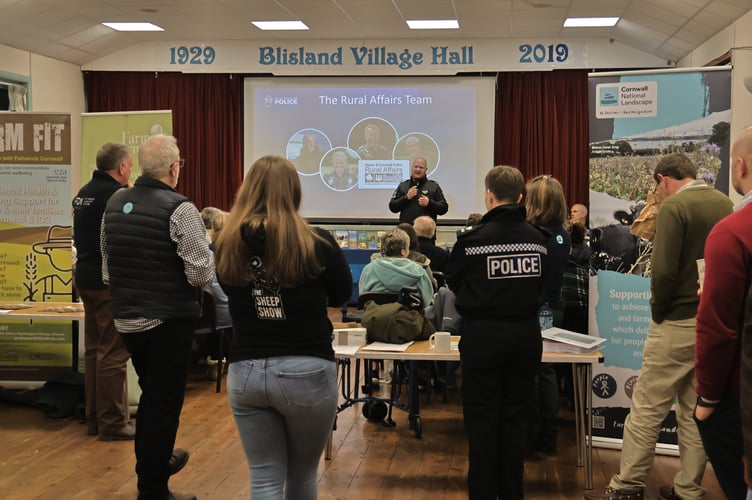
Devon and Cornwall Police delivered the message at a “Bodmin Together” event aimed at strengthening ties with the agricultural community and addressing rising concern over attacks on sheep and cattle.
Rural Affairs officer PC Julian Fry said underreporting is hampering efforts to target offenders.
“We rely on reports from our farming communities to map when where incidents are happening,” he said. “Without that information, it becomes far more difficult to deploy resources effectively and prevent further offences.”



The warning comes ahead of changes to the Dogs (Protection of Livestock) legislation, which will take effect on March 18, strengthening police powers to investigate and act against dog attacks on farm animals.
The scale of the issue is significant. A recent National Sheep Association survey found that almost 87 per cent of sheep farmers experienced at least one dog attack on their flock in 2024. The National Farmers’ Union estimates the financial cost to the industry at nearly £1.8-million in a single year.
In Cornwall, where livestock farming underpins much of the rural economy, the impact goes beyond the balance sheet. Dog attacks can result in multiple sheep killed or injured in a single incident, with pregnant ewes often aborting lambs due to stress.
Despite this, officers say many cases are never formally reported.
PC Fry said: “We know incidents often go unreported. Some farmers feel nothing will come of it, but every report builds the intelligence picture. That evidence base allows us to work with partners and take a coordinated approach to tackling rural crime.”
The two-hour Bodmin meeting brought together officers from the Rural Affairs team and neighbourhood policing teams from Bodmin and Liskeard. Farmers were encouraged to report all crimes, including livestock worrying, equipment theft and suspicious activity in isolated areas.
Police also stressed that rural crime is not limited to dog attacks. The theft of machinery, trailers and fuel continues to affect farms across Cornwall, often costing thousands of pounds per incident.
PC Lee Skinner, who helped organise the event, said feedback from those attending would feed directly into policing plans for 2026.
“Insight from our rural communities is crucial,” he said. “It helps shape prevention activity and ensures we are targeting the issues that matter most locally.”
Farmers are being advised to take preventative steps, including maintaining secure boundaries, using visible warning signage during lambing, installing tracking devices on machinery and promptly reporting suspicious vehicles.
Officers reiterated that rural communities are not being overlooked.
“We are here to protect everyone in our communities — whether you live in a busy city or a quieter rural area,” PC Fry said.
Rural crimes that have already occurred can be reported via 101 or online through Devon & Cornwall Police. Crimes in progress should be reported by calling 999.
Police say clear reporting, combined with stronger legislation next year, will be key to protecting Cornwall’s farms and livestock.
Comments
We've recently changed our login process. If you have an account for commenting, you will need to re-register on the login window.
This article has no comments yet. Be the first to leave a comment.