
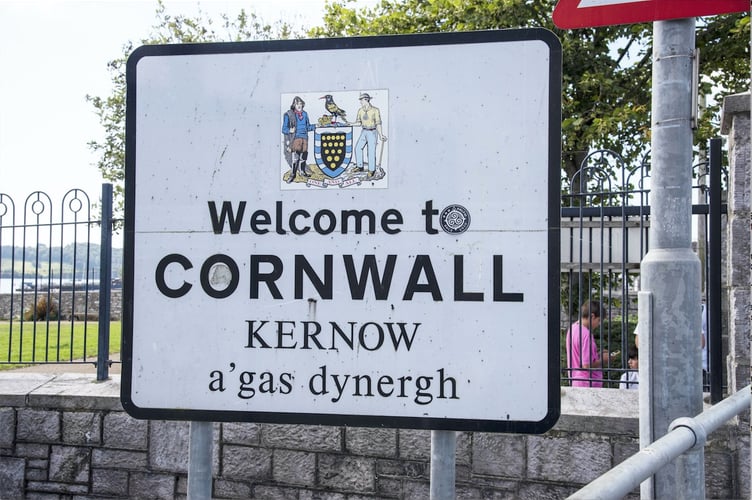
THE Cornish language is now officially protected to the same level as Welsh and Gaelic following a change in recognition.
Today, (January 22), the language has been officially recognised under Part III of the European Charter for Regional or Minority Languages.
Having initially been protected under Part II of the Charter since 2002, the intervening 24 years has seen a resurgence of the use of Kernewek in everyday life.
It means Kernewek enjoys the same level of promotion as all the other Celtic languages recognised across the British Isles, including Welsh, Manx and Gaelic.
.png?width=209&height=140&crop=209:145,smart&quality=75)
The recognition is the culmination of many years of work by Cornwall Council, MPs, community groups and cultural organisations to ensure the language plays a key role in life in Cornwall.
Following the news, Cornwall Council’s leader, Cllr Leigh Frost has said “2026 promises to be a real celebration of Cornwall”.
He said: “As a proud Cornishman, this is fantastic news, and a recognition of the hard work of so many people to firstly revive the language and then to bring it into wider use across Cornwall.
“Seeing bilingual signs, and hearing Kernewek spoken within Council meetings is now an everyday occurrence, which shows how far we have come, and this is a further step in ensuring further growth in its use.
“2026 promises to be a real celebration of Cornwall, including the Lorient Festival being focused specifically on Cornish culture, and this is a brilliant way to start it all off.
“I am grateful to the government for their support in securing this recognition. It is a proud day for Cornwall and demonstrates our commitment to support and promote Cornish identity, culture and heritage.”
“The recent launch of consultations on both the Census 2031 and the BBC Charter provide further opportunities to secure greater prominence of the Cornish identity and language within society.”
Member of Parliament for St Ives, Andrew George, said: “Pur da! Spladn! This is such wonderful news for Cornwall. We’ve come so far since I took our campaign around five Government departments in the late 1990s, until Ministers realised we weren’t going away. With the Cornish language community, we successfully fought to secure official recognition in 2002. Alongside our success in securing national minority status in 2014, Cornwall’s distinctiveness, language and cultural history has come a long way. This further enhanced status will amplify Cornish pride.
“I remember being the first to speak Cornish in Parliament with my opening remarks in my maiden speech in May 1997. It caused quite a stir then. But now it’s considered a norm. I was then proud to introduce the Cornish oath when swearing in to the 2005 Parliament, but now it’s used by all our MPs, and with pride. Though fluent speakers are few, that doesn’t undermine the significance of this important further recognition.
“For me, this is not driven by a desire to cut Cornwall off or to become insular. Quite the opposite. It is all about cutting Cornwall into the celebration of diversity in a wider world and contributing effectively to that international celebration.”
Member of Parliament for Camborne and Redruth, Perran Moon, added: “Many in Cornwall have long coveted Cornish language Part III status, placing it on a par with all other Celtic languages. We have now had the welcome confirmation that, following this Government’s request, the Council of Europe has approved Part III status for the Cornish language.
“I have already personally asked the Prime Minister this week to consider the obligations inferred from Part III status and in particular the changes required to allow anyone that wishes to learn Cornish to do so.
“This is yet another example of this Labour Government’s commitment to protecting the culture, language and heritage of Cornwall and comes after the Secretary of State for Housing, Communities and Local Government, Steve Reed MP, confirmed last month that Cornwall will receive a bespoke devolution deal that recognises our national minority status.”
Comments
We've recently changed our login process. If you have an account for commenting, you will need to re-register on the login window.
This article has no comments yet. Be the first to leave a comment.