
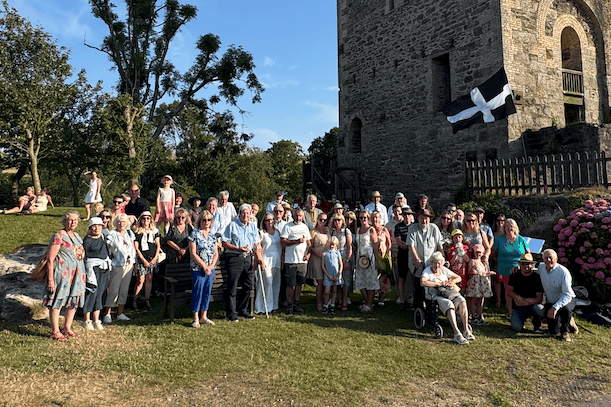
COMMUNITIES across Cornwall came together to mark the 180th anniversary of the county’s worst mining disaster.
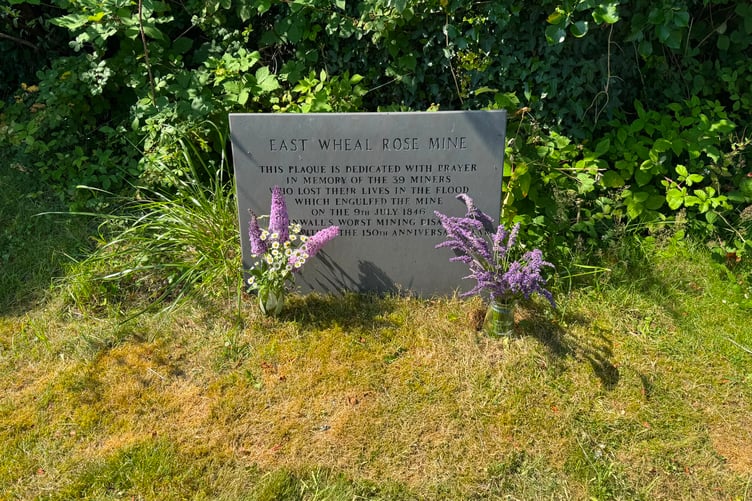
People from far and wide gathered to remember the 39 men and boys who lost their lives in the East Wheal Rose mine, which happened on July 9, 1846.
The tragedy unfolded after floodwater overwhelmed the mine near St Newlyn East during a violent thunderstorm. Thirty-eight died at East Wheal Rose, while one miner lost his life at nearby North Wheal Rose.
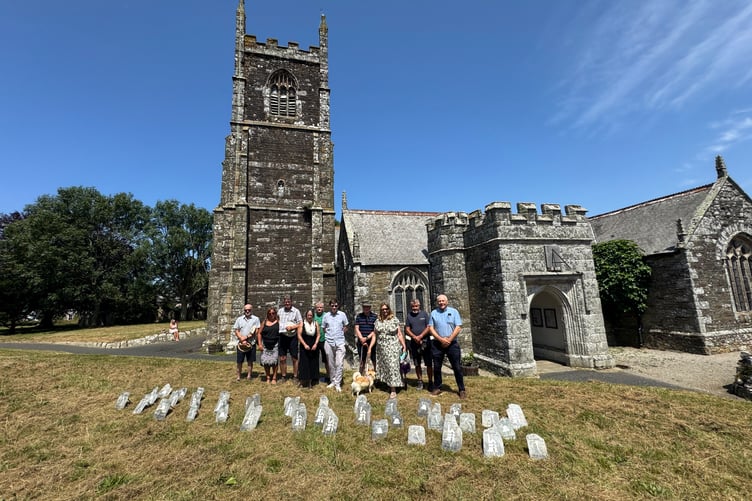
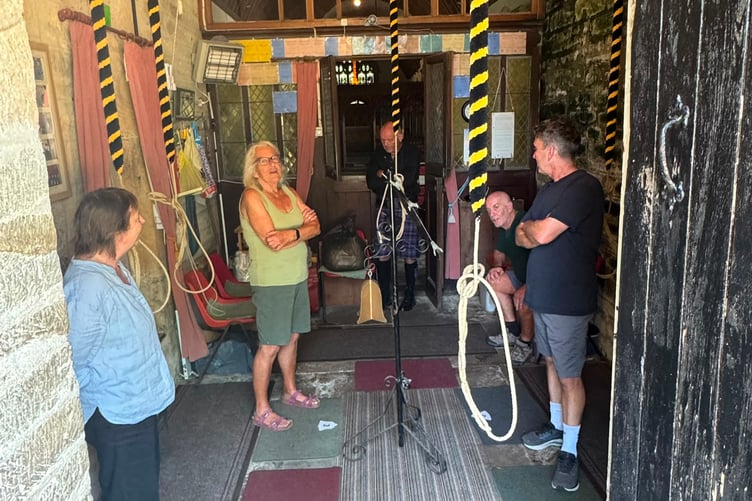
The day's commemorations began at St Newlyn East Church, where descendants of the victims, residents and visitors from across the country gathered for a moving service of remembrance. The church bell was rung 39 times, once for each life lost.
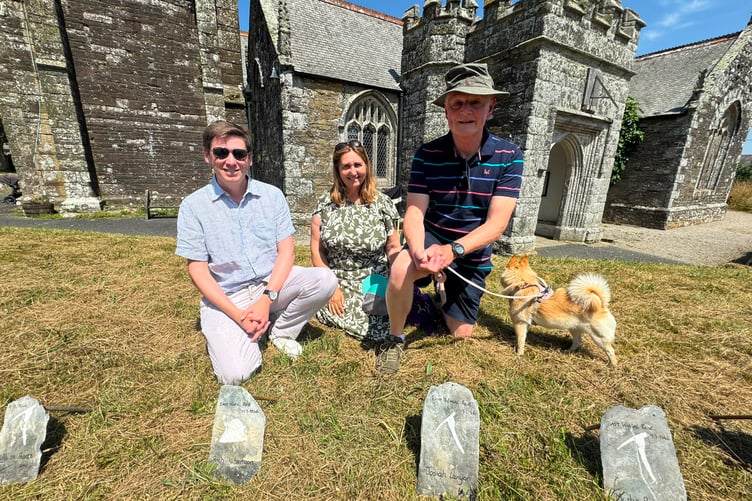
Those attending stood in silence facing 39 commemorative slates, each bearing the name and age of a miner. The slates were created by pupils of Newlyn East Academy for the 175th anniversary and remain a poignant tribute to those who perished.
The ceremony reflected the wider remembrance taking place across Cornwall, with churches throughout the county also marking the anniversary. The victims were laid to rest across 16 different parishes, highlighting the far-reaching impact the disaster had on Cornish communities.
St Newlyn East Learning Academy held a special assembly during the afternoon where pupils learned about the events of 1846, the more than 200 miners who survived, and the way local communities, chapels and churches rallied to support bereaved families in the aftermath.
Cornish historian Barry West was invited to speak to the children, sharing the story of the disaster while emphasising the importance of hope, resilience and strong communities.
-at-Haytor-Vale-on-Dartmoor.jpeg?width=209&height=140&crop=209:145,smart&quality=75)

.jpeg?width=209&height=140&crop=209:145,smart&quality=75)
The commemorations concluded during the evening at Lappa Valley Railway attraction where the East Wheal Rose engine house still stands. A full train transported visitors to the historic location, where they were welcomed by the music of the St Newlyn East Band.
The evening featured a series of talks reflecting on the disaster and its lasting legacy. Mr West opened proceedings by recounting the events of July, 9 1846 before inviting a number of guest speakers.
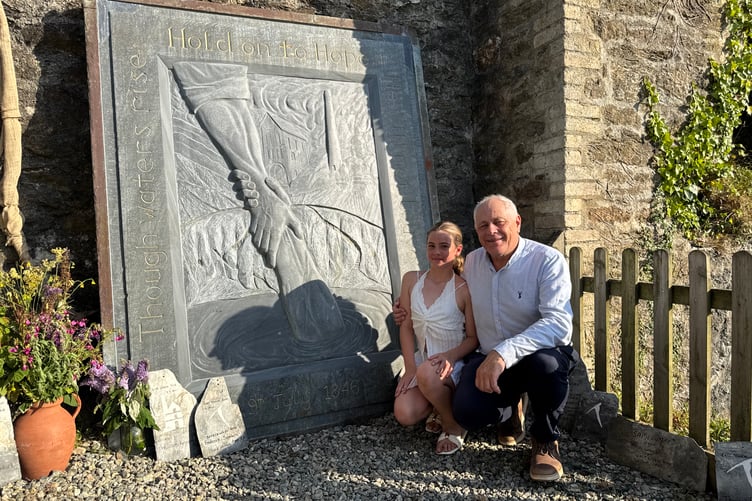
Among them was sculptor Ben Dearnley, who travelled from Ireland to explain the creation of the memorial sculpture unveiled five years ago. Methodist minister Colin Short from St Austell spoke about the religious and social history surrounding the disaster before leading those gathered in prayer.
Jenefer Lowe, Grand Bard of Gorsedh Kernow, reflected on the importance of remembering East Wheal Rose as a defining part of Cornwall's history and offered thanks on behalf of the Cornish Gorsedd. Rob Nolan, chair of Cornwall Council, also addressed the gathering, recognising the significance of the anniversary and thanking everyone who helped organise the commemorations.
One of the most emotional moments of the evening came as descendants of those involved in the disaster shared their family stories. Relatives of Samuel Bastion, remembered as one of the heroes of the tragedy, spoke and were clearly moved and affected by being present at the very scene of this tragic event.
There were members of the Lanyon and Silas Ellery families, whose ancestors lost their lives in the flood.
Earlier in the week, descendants had also travelled from Australia to visit the site, underlining the enduring international connections to the East Wheal Rose disaster 180 years later.
The day of the mine disaster started bright and sunny, but at midday heavy clouds formed in the north-west and then gathered directly over East Wheal Rose unleashing torrential rain for more than half an hour.
The deluge fell on the mine and surrounding hills but strangely, there was no rain at all three miles away.
Not long after the beginning of the storm the whole surface of the mine was under water as a flood poured off the southern hills “in broad and deep waves.”
John Middleton, who was senior the mine captain of the East Wheal Rose mine when disaster struck organised 300 men to pile up earth around the collars of the shafts but the volume of water pouring down caused a wind to blow that extinguished the candles that the miners used underground, so when the water hit them they were in utter darkness.
The reports published at the time stated the escape for many was made on wet and slippery ladders. It seems that not all the casualties of the catastrophe died instantly, but many were trapped by rising floodwaters and were unable to escape their unfortunate demise.
There were several miraculous escapes and acts of heroism. Captain Champion was overtaken by the water several times but somehow managed to climb the slippery ladders against the tremendous weight of down-rushing water. Timberman Samuel Bastion went down into the mine to lie across a manhole diverting the flow of water and saving 18 lives. Another miner returned to the mine to search for his son but neither of them came back.
The beam engines and all the hauling gear had been put to work in raising men to the surface, kling to the kibbles and chains “like strings of onions” and survivors were taken to the dry where the mine doctor took care of the injured.
At the end of the day 43 men and boys were still missing but four were brought up alive the next morning. Thirty nine miners lost their lives leaving 22 widows and 60 fatherless children. Thirty eight died at East Wheal Rose, many were drowned in the deep levels or crushed by falling debris. One other, Frederick Sanders, died at nearby North Wheal Rose whilst attempting to climb up the shaft against the raging torrent. At least two men from the Newquay area lost their lives. Silas Ellery, aged 17, and John Cotton Rowe, aged 31.
The wives, relatives, children and friends made their way to the count house seeking information about the fate of those missing. Over the days that followed it is said thousands of people curious about what had happened visited the scene, searching for answers and trying to comprehend it all.
The lower levels of the mine had been completely flooded but remarkably, by November that year, the mine was back in full production having taken four months to clear all the floodwater and debris.
Out of the 39 who lost their lives only six headstones have been identified to date. Some grave markers may have been moved or lost, whilst others never had a permanent memorial in place.
Much has been written about this catastrophic event, the worst disaster in Cornwall’s mining history, described as a ‘stroke of the Almighty,’ which resulted in verdicts of accidental death being returned for all the casualties.
Reflecting on the week of commemorations, Barry West expressed his gratitude to everyone who attended, supported the events and helped preserve the memory of those who lost their lives.
Mr West said: “It was especially nice to know that schools are using the East Wheal Rose mining disaster to educate and inform young people and to see young families and children at the event including my own granddaughter Lyla because it is through them this story will live on for future generations.
“Special thanks were extended to the team at Lappa Valley Railway for their support in making the anniversary commemorations possible.”
Comments
We've recently changed our login process. If you have an account for commenting, you will need to re-register on the login window.
This article has no comments yet. Be the first to leave a comment.