
Q: I'm worried about losing power due to stormy weather. I imagine being stuck in the cold, struggling to feed the kids, with no way of contacting people. What should I do if this happens, and how I can prepare?
A: Power cuts can be unexpected and worrying, especially if your power doesn’t come back on quickly. So it’s good to know how to a) report an outage and b) prepare for one.
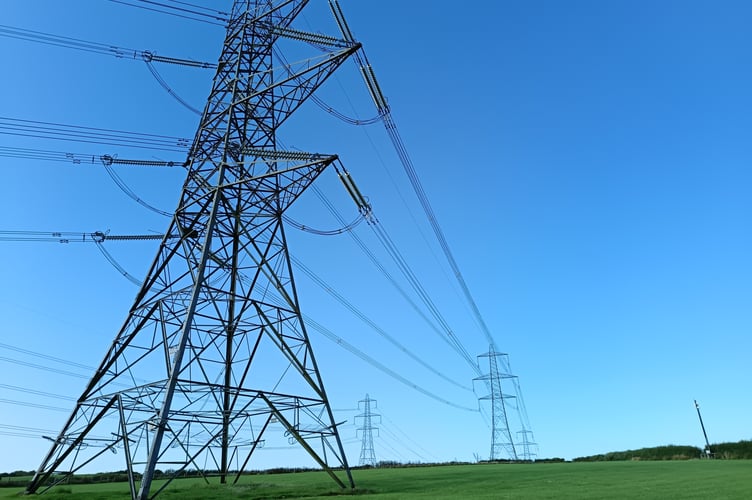
If you lose electricity due to unexpected causes like storms, your electricity network operator is responsible for fixing it. It provides the wires to your home, and is different from your electricity supplier (the company that sends your bills). To report an outage, call the free hotline on 105.
In most cases, it’s your electricity that will go off in a storm, but your gas might be disrupted because you usually need electricity to start up a gas boiler. Unlike pylons and overhead cables, gas pipes tend to be underground, safe from storm damage. That said, if you smell gas or your carbon monoxide detector is beeping, turn off the boiler, go outside and call the National Gas Emergency Service on 0800-111-999.


If you’re on a heat network (also known as district heating), your supplier should contact you or your landlord about an outage. Citizens Advice can provide specialist heat network advice if you’re without power and haven’t heard from anyone.
You might be entitled to compensation if a power cut isn’t fixed within 24 hours - check our website to find out more. It’s also worth noting that some power cuts are planned, and you should be told in advance if there’s going to be one near you.
Power might not come back on straight away, so here’s a checklist of things you can do to prepare for the worst:
- Check you’ll be able to keep warm. No power could mean no central heating, so make sure you have access to blankets and extra layers. You could plan to stay with friends or family, or check if your local council has any public places you could use to stay warm.
- Check you’ll have a way to contact people. Charge all devices like mobile phones and tablets using battery power banks. If you don’t have anything like this, write down important phone numbers and keep them safe – a landline might still work during a power cut.
- Have food at home which you can easily eat. Ideally, stock food with a long use-by date: tinned fish, beans and soups. If you’re not able to boil water to make baby formula, use pre-mixed formula.
- Check if you can sign up to the Priority Services Register (PSR). This can give you extra support during a power cut, like regular updates and a special number to ring. You might be able to sign up if you’re disabled, pregnant or have young children. See the full list of eligibility criteria and how to sign up on the PSR website.
For more information and advice about power cuts, visit www.citizensadvice.org.uk
Comments
This article has no comments yet. Be the first to leave a comment.