
BUYING music gig ticket are often frantic, and tickets may get sold out quickly.
On Wednesday, September 23, when I was at a music venue in Bristol with my sons watching a band, England’s 2026 Sustainable Farming Incentive (SFI) opened. Having booked our tickets months in advance, I had a brilliant night out. For South East Cornwall's agricultural community, that exact day meant a far more stressful, high-stakes online scramble.
Nobody expects to face a chaotic online lottery when securing a family farm's long-term survival. Yet, that is exactly what happened. The national budget evaporated in under six hours. Commentators compared it to a high-demand ticket scramble, but for local farmers, this was no entertainment crisis. It was a matter of basic business viability.
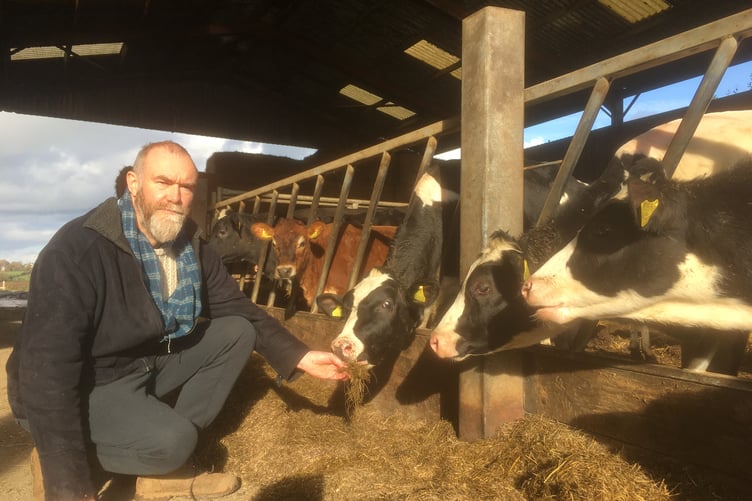
SFI replaces old EU subsidies by paying farmers to protect nature, improve soil health, and manage hedgerows. However, the government's first-come, first-served application process has created an underfunded, unmanageable system that lets down the very people it was originally designed to support.
One dedicated farmer near Callington spent three years doing intensive environmental work under SFI. Despite doing everything right, he missed out because funding ran dry before his application cleared the portal. His agent, managing multiple clients across South East Cornwall, faced an impossible moral dilemma: with many clients equally entitled to funding, they had to choose whose files to submit first. Professionals should never be forced to decide which of their equally valued clients gets priority. A minutes-long delay meant financial loss for the others.
The crisis stems from basic arithmetic. Two years of expiring "Mid Tier" agreements alongside the first SFI contracts created a massive bottleneck of applications. Instead of meeting demand, the government cut individual payment rates — slashing the popular herbal ley option from £382 to £224 per hectare — and left the overall fund entirely inadequate. Without this vital income, family farms face grim decisions. Many must now plough up wildflower margins and return to intensive farming just to pay mortgages, undoing years of hard-won environmental progress.
Having recently attended the Liberal Democrat autumn conference, I watched the crucial debate on "Feeding Britain: A Food Security Emergency" unfold first-hand. The warning from the floor was clear: food security is collapsing because the government fails to understand that nature recovery and food production must go hand in hand.
The approved motion outlines the exact lifelines Cornish farmers need. It demands an immediate £1-billion emergency farming budget boost, a permanently open SFI portal to end the digital gold rush, and an ambitious UK-wide target to produce 75 per cent of our own food by 2035. It rightly recognises that starving family farms of financial viability directly threatens food security.
 Cornwall's Voice: Cornwall to benefit from Young Futures Hub says MP Jayne Kirkham
 MP Andrew George says it is important good people stand together
  Coastal Cornwall: Saint Petroc knew he was on to a good thing at Padstow
 Cornwall's Voice: Youth aren't lazy - we dealt them a bad hand, says MP Perran Moon
Our agricultural sector needs long-term predictability, not a digital raffle. While the current system fails, local agricultural experts suggest a fairer path forward would involve abandoning first-come queues for a flat cap on total claims per hectare, giving the government cost certainty while allowing farmers to plan ahead. If ministers want a greener, food-secure countryside, they must stop making farmers gamble for it.
Comments
We've recently changed our login process. If you have an account for commenting, you will need to re-register on the login window.
This article has no comments yet. Be the first to leave a comment.