
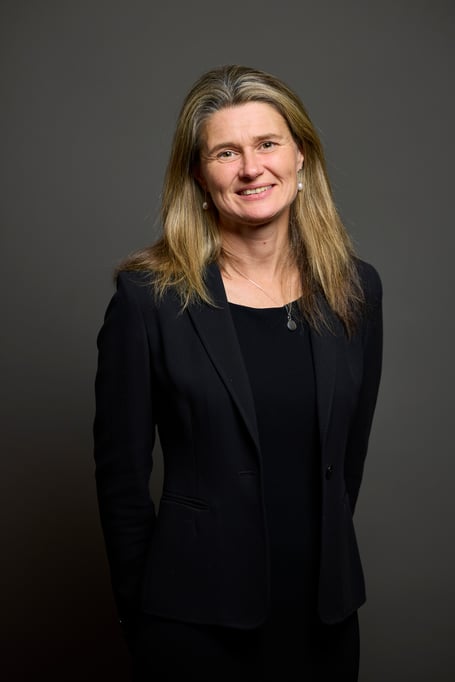
LAST week I went to Number Ten North for the first formal negotiations on a Cornish devolution deal as invited by the Prime Minister when he came to visit the constituency in August. The Prime Minister set up Number 10 North specifically to work on devolving powers to all corners of the country and growth to every postcode.
There has been a strong cross-party call for greater powers and funding for Cornwall for a long time. Cornwall was one of the first rural areas to get a devolution deal in 2015. We already have the power to franchise bus services and retain our business rates receipts in Cornwall, for example.
So, on Monday, Cornwall's MPs, Cornwall Council, the Ministry of Housing, Communities and Local Government, and the team from Number 10 North met.
Online meetings are fine, but some conversations are too important for a video call. When you are negotiating for Cornwall’s future, you need to be able to look people in the eye and make the case directly. We travelled to Manchester and back in a day, standard class, returning to Westminster in time for parliamentary business and votes at 4pm and leaving Parliament at 11.30pm.
Cornwall has many strengths and opportunities for investment. From renewables, the resurgence of mining, digital and the creative arts. But, we also continue to face significant challenges, including long-standing coastal deprivation, poor connectivity and underinvestment in infrastructure. Rural and coastal authorities face different challenges to large urban areas, and it is often more costly to provide services.
I made sure to emphasise the issues that matter most to Cornwall, including skills and the potential of devolving responsibility for coordinating Skills training, housing, transport, which has been a huge issue, particularly for getting young people to college, as well as long-term economic growth.
Cornwall's unique culture, heritage and language are already being recognised by this Labour government. Kernewek, the Cornish language, has officially been upgraded to Part III status under the European Charter for Regional or Minority Languages after the Government requested its inclusion alongside the other Celtic languages. We have also seen £30-million invested in growth in Cornwall from government through the Kernow Industrial Growth Fund.
The Prime Minister understands concerns about the emergence of a two-tier country between those areas with combined authorities and elected mayors and those without, and has been clear that he is willing to work with Cornwall with or without an elected mayor on the basis of becoming a foundation strategic authority, initially.
He strongly believes decisions are best made locally by the people who will be affected by them. The forthcoming Devolution Bill aims to give local communities greater influence over local assets, investment, transport, skills and economic development – supporting growth in every postcode.

There is a growing recognition within government that Cornwall, as a rural and coastal region, faces distinct challenges but also has distinct opportunities. These negotiations are only the beginning and we will hopefully get a Government response to our proposals in the budget, but I will continue making the case for a Cornish devolution deal that delivers for our communities.
Comments
We've recently changed our login process. If you have an account for commenting, you will need to re-register on the login window.
This article has no comments yet. Be the first to leave a comment.