
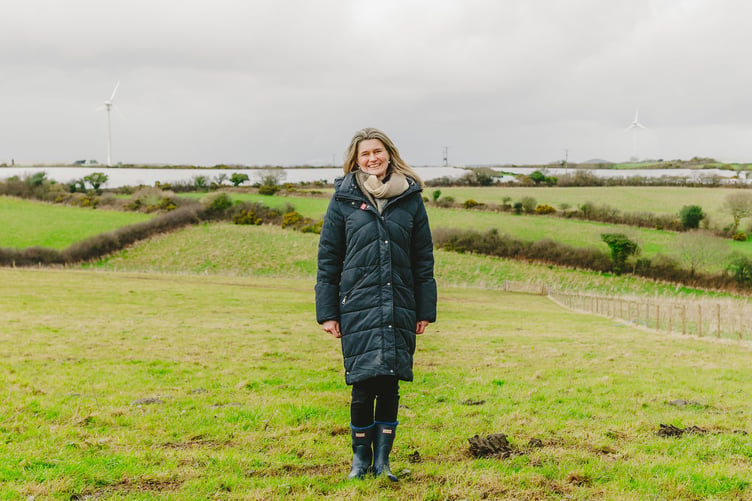
SO much of our future rests on us getting the response to climate change right. Nature provides everything we need to live, and it is our responsibility to restore and protect it.
Just before the Summer Recess, Parliament heard the second annual State of Climate and Nature Statement. It provided an honest assessment of the climate and nature crises we face, and the action being taken to address them. The Nature Minister highlighted that we are living through what many scientists call the Anthropocene – an age in which human activity has become the dominant influence on our climate and ecosystems, driving pollution, climate change and mass extinction.
In Truro and Falmouth alone, we have such a diverse range of habitats, from temperate rainforest to maerl beds and eelgrass on the seabed. If loss continues at its current pace, critical ecosystems will come under increasing pressure, from coral reefs that protect the coastline to peatlands that store carbon and reduce flood risk. Adaptating to these changes isn’t enough. We also need to tackle the root causes. We are seeing the impact of climate change already assaulting us with incredibly hot summers, wildfires across Europe, storms like Goretti and coastal erosion affecting Cornwall.
Previous governments have delayed action and missed opportunities, with the environment repeatedly pushed down the political agenda. Since taking office, this Labour Government has sought to change that, delivering the largest programme of climate and nature investment so far, with over £100-billion of private clean energy investment and more than £7-billion committed to nature recovery over the next three years.
So, it is disappointing to see some councils stepping back from climate commitments. As a councillor, I worked cross-party with colleague Martyn Alvey to propose Cornwall Council’s 2019 Climate Emergency Declaration. That decision has helped drive projects such as Forest for Cornwall, the Climate Change Development Plan Document and the Local Area Energy Plan so that we play our part to reduce emissions in Cornwall
I am glad that this government is looking to the future through commitments to protect and conserve 30% of our land and seas for nature by 2030. But achieving our climate and nature goals will also require us to think more carefully about how we use our land and seas. There is enough land to meet food production, housing needs, economic growth, energy production and climate and nature recovery, but we must use it well. That is why the Land Use Framework, which sets out how we apportion land, is so important.

Climate change and nature loss are the biggest challenges we face. We understand the risks, and we need to keep making choices to protect our climate and nature. From reintroducing wild beavers and planting new national forests to investing in clean energy, we have an opportunity to protect the world for the future. That is why we cannot afford any more delay.
Comments
This article has no comments yet. Be the first to leave a comment.