
FEARS are growing across Cornwall as Bluetongue takes hold.
Last week, Launceston Show announced that it would not feature any cattle or sheep at this year’s event, a decision which was made as a result of the spread of Bluetongue, a disease which targets such animals. A number of other shows are following suit, with Camelford being the latest to announce plans to suspend livestock classes.
The decision highlights a growing concern among local farmers, that this disease could be detrimental to their livestock and the community.
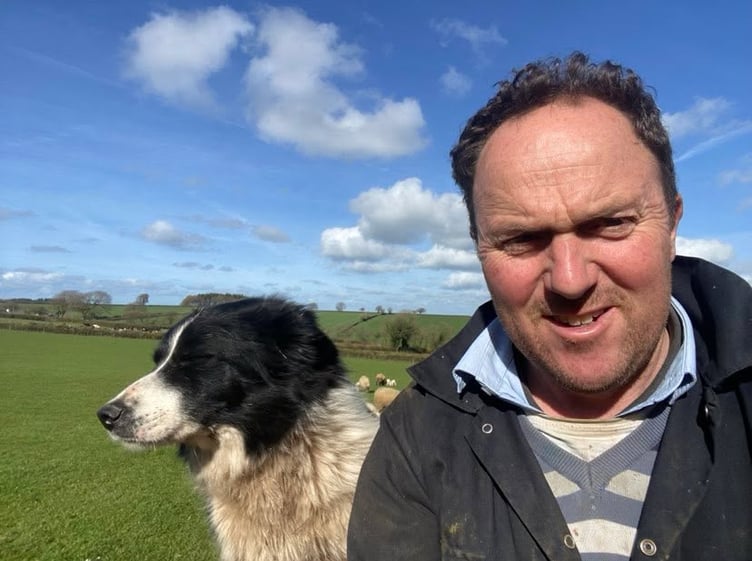
Adrian Parsons is the Cornwall councillor for Altarnun and Stoke Climsland — however beyond this, Cllr Parsons livelihood is as a farmer.
He has expressed his disappointment in those organisations he says represent and support the farming industry who have “not adequately communicated the scale of the threat facing livestock farmers in the South West”.
“It has become increasingly apparent that Bluetongue is now circulating on farms across the Devon and Cornwall border area,” he said.
Bluetongue is a non-contagious viral disease affecting domestic and wild ruminants, transmitted by biting midges. It does not affect people or food safety, but outbreaks can result in prolonged and significant challenges at farm level, as the disease is difficult to contain.
“This is causing a great deal of anxiety within the farming community,” continued Cllr Parsons. “As we are hearing of a growing number of farmers dealing with poorly cattle and sheep. Sheep appear to be among the hardest hit, and in severe cases the disease can prove fatal.
“As Bluetongue is a viral disease, treatment options are limited. Vaccination currently offers the best available protection, although no measure can remove all risk. For many farmers, costs are now beginning to escalate through increased veterinary bills and vaccination programmes, compounded by livestock losses and uncertainty about the potential longer-term effects on fertility as the breeding season approaches.
“We have now vaccinated our own sheep and cattle, but the long-term impact, both on animal health and farm finances, remains unknown.



“The situation is being made even more difficult by the continuing drought. Many farms are facing severe grass shortages, placing further pressure on the welfare of livestock, with many now having to purchase expensive supplementary feed through the summer to ensure the stock maintain good level of condition.”
Adrian has said that farmers seem to have been left in the dark, with limited guidance being provided.
“What has particularly disappointed me is that, despite the growing spread of Bluetongue, many of those responsible for representing and supporting the farming industry, including DEFRA, have not adequately communicated the scale of the threat facing livestock farmers in the South West,” he continued. “There appears to have been little warning of the extent of the problem, and many farmers feel their concerns are not being heard.
“Once again, it highlights how vulnerable agriculture remains when a viral disease emerges. Were it not for the dedication of our local veterinary practices, whose staff are working tirelessly to provide advice, support and reassurance, many farmers would feel they had been left to fend for themselves.
“The farming community is resilient, but resilience alone cannot be expected to carry the burden of disease outbreaks, rising costs, drought conditions and ongoing uncertainty. Farmers need clear information, practical support and confidence that those responsible for protecting our agricultural sector are fully engaged with the challenges facing rural communities today.”
Comments
This article has no comments yet. Be the first to leave a comment.